Buy firmengründung.eu ?
We are moving the project
firmengründung.eu .
Are you interested in purchasing the domain
firmengründung.eu ?
domain@kv-gmbh.de · 0541-91531010
Buy firmengründung.eu ?
What is the strongest natural fiber fabric?
The strongest natural fiber fabric is generally considered to be silk. Silk is produced by silkworms and has a tensile strength that is comparable to steel. It is also known for its smooth and lustrous texture, making it a popular choice for high-end clothing and textiles. Additionally, silk is lightweight and has good elasticity, making it a versatile and durable fabric. **
Which option is better: textured wallpaper or textured paint?
The choice between textured wallpaper and textured paint ultimately depends on personal preference and the specific needs of the space. Textured wallpaper can add depth and dimension to a room, but it may be more difficult to install and remove compared to textured paint. Textured paint, on the other hand, is easier to apply and can be customized to achieve different textures and effects. Consider factors such as maintenance, cost, and desired aesthetic when deciding between the two options. **

Similar search terms for Adalynn-Natural-Textured-Fabric
Top-Angebote
Products related to Adalynn-Natural-Textured-Fabric:



-
Which option do you prefer, textured plaster or textured wallpaper?
I prefer textured plaster over textured wallpaper. Textured plaster provides a more authentic and natural look, as it is applied directly to the wall and can be customized to suit the specific design aesthetic. Additionally, textured plaster is more durable and long-lasting compared to textured wallpaper, which can peel or tear over time. Overall, I find textured plaster to be a more versatile and visually appealing option for adding texture to a space. **
-
How can you apply textured plaster on a textured wallpaper?
To apply textured plaster on a textured wallpaper, you will first need to prepare the wallpaper by cleaning it thoroughly and allowing it to dry completely. Then, apply a primer to the wallpaper to create a smooth surface for the textured plaster to adhere to. Once the primer is dry, you can apply the textured plaster using a trowel or a putty knife, working in small sections to ensure even coverage. After the plaster has been applied, you can use a textured roller or a brush to create the desired texture. Allow the plaster to dry completely before applying any paint or sealant. **
-
What is textured paint 2?
Textured paint 2 is a type of paint that contains additives such as sand, silica, or other materials to create a textured finish on surfaces. This type of paint is often used to add depth and dimension to walls, ceilings, or furniture, and can help hide imperfections in the surface. Textured paint 2 can come in a variety of finishes, from subtle to more pronounced textures, allowing for a customized look in interior design. **
-
How to find business shirts made of strong fabric?
To find business shirts made of strong fabric, look for materials such as cotton, twill, or poplin, as these are known for their durability. Check the product descriptions or labels for information about the fabric composition. Additionally, consider looking for shirts with a higher thread count, as this can indicate a stronger and more durable fabric. Finally, read customer reviews or ask for recommendations from friends or colleagues who have experience with durable business shirts. **


How do you remove textured plaster?
To remove textured plaster, you can start by using a putty knife or scraper to gently chip away at the texture. You can also try using a heat gun to soften the plaster, making it easier to scrape off. Another method is to use a chemical paint stripper to dissolve the plaster. It's important to wear protective gear and work carefully to avoid damaging the underlying surface. **
How do I paint textured plaster?
To paint textured plaster, follow these steps: 1. Clean the surface: Use a damp cloth to wipe down the textured plaster to remove any dust, dirt, or debris. Allow the surface to dry completely before proceeding. 2. Prime the surface: Apply a coat of primer to the textured plaster to help the paint adhere better and provide a more even finish. Use a roller or brush to apply the primer evenly and allow it to dry according to the manufacturer's instructions. 3. Choose the right paint: Select a paint that is suitable for textured surfaces, such as a high-quality acrylic paint. Make sure to choose a color that complements the overall look and feel of the room. 4. Apply the paint: Use a roller or brush to apply the paint to the textured plaster. Work in small sections, starting from the top and working your way down. Make sure to apply the paint evenly and in a consistent direction to maintain a uniform finish. 5. Allow the paint to dry: Let the first coat of paint dry completely before applying a second coat if needed. Follow the drying time recommended by the paint manufacturer. 6. Touch up any areas: Once the paint is dry, inspect the surface for any areas that may need touch-ups. Use a brush to carefully touch up any missed spots or imperfections. 7. Seal the paint (optional): If desired, you can apply a clear sealer to protect the painted surface and enhance its durability. Follow the manufacturer's instructions for the sealer **
Top-Angebote
Products related to Adalynn-Natural-Textured-Fabric:
-
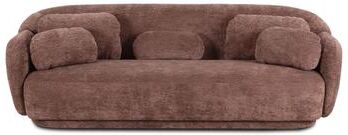
TOV Furniture Misty Textured Knubby Fabric SofaFrom a cozy family room to a casual modern lounge, the Misty sofa is set for chic comfort. The curved silhouette and textured nubby fabric offer an inviting seat that styles seamlessly into your space.1654,49 $*Shipping: 0,00 $Secure redirect to the provider
-
What is the strongest natural fiber fabric?
The strongest natural fiber fabric is generally considered to be silk. Silk is produced by silkworms and has a tensile strength that is comparable to steel. It is also known for its smooth and lustrous texture, making it a popular choice for high-end clothing and textiles. Additionally, silk is lightweight and has good elasticity, making it a versatile and durable fabric. **
-
Which option is better: textured wallpaper or textured paint?
The choice between textured wallpaper and textured paint ultimately depends on personal preference and the specific needs of the space. Textured wallpaper can add depth and dimension to a room, but it may be more difficult to install and remove compared to textured paint. Textured paint, on the other hand, is easier to apply and can be customized to achieve different textures and effects. Consider factors such as maintenance, cost, and desired aesthetic when deciding between the two options. **
-
Which option do you prefer, textured plaster or textured wallpaper?
I prefer textured plaster over textured wallpaper. Textured plaster provides a more authentic and natural look, as it is applied directly to the wall and can be customized to suit the specific design aesthetic. Additionally, textured plaster is more durable and long-lasting compared to textured wallpaper, which can peel or tear over time. Overall, I find textured plaster to be a more versatile and visually appealing option for adding texture to a space. **
-
How can you apply textured plaster on a textured wallpaper?
To apply textured plaster on a textured wallpaper, you will first need to prepare the wallpaper by cleaning it thoroughly and allowing it to dry completely. Then, apply a primer to the wallpaper to create a smooth surface for the textured plaster to adhere to. Once the primer is dry, you can apply the textured plaster using a trowel or a putty knife, working in small sections to ensure even coverage. After the plaster has been applied, you can use a textured roller or a brush to create the desired texture. Allow the plaster to dry completely before applying any paint or sealant. **
Similar search terms for Adalynn-Natural-Textured-Fabric
-
What is textured paint 2?
Textured paint 2 is a type of paint that contains additives such as sand, silica, or other materials to create a textured finish on surfaces. This type of paint is often used to add depth and dimension to walls, ceilings, or furniture, and can help hide imperfections in the surface. Textured paint 2 can come in a variety of finishes, from subtle to more pronounced textures, allowing for a customized look in interior design. **
-
How to find business shirts made of strong fabric?
To find business shirts made of strong fabric, look for materials such as cotton, twill, or poplin, as these are known for their durability. Check the product descriptions or labels for information about the fabric composition. Additionally, consider looking for shirts with a higher thread count, as this can indicate a stronger and more durable fabric. Finally, read customer reviews or ask for recommendations from friends or colleagues who have experience with durable business shirts. **
-
How do you remove textured plaster?
To remove textured plaster, you can start by using a putty knife or scraper to gently chip away at the texture. You can also try using a heat gun to soften the plaster, making it easier to scrape off. Another method is to use a chemical paint stripper to dissolve the plaster. It's important to wear protective gear and work carefully to avoid damaging the underlying surface. **
-
How do I paint textured plaster?
To paint textured plaster, follow these steps: 1. Clean the surface: Use a damp cloth to wipe down the textured plaster to remove any dust, dirt, or debris. Allow the surface to dry completely before proceeding. 2. Prime the surface: Apply a coat of primer to the textured plaster to help the paint adhere better and provide a more even finish. Use a roller or brush to apply the primer evenly and allow it to dry according to the manufacturer's instructions. 3. Choose the right paint: Select a paint that is suitable for textured surfaces, such as a high-quality acrylic paint. Make sure to choose a color that complements the overall look and feel of the room. 4. Apply the paint: Use a roller or brush to apply the paint to the textured plaster. Work in small sections, starting from the top and working your way down. Make sure to apply the paint evenly and in a consistent direction to maintain a uniform finish. 5. Allow the paint to dry: Let the first coat of paint dry completely before applying a second coat if needed. Follow the drying time recommended by the paint manufacturer. 6. Touch up any areas: Once the paint is dry, inspect the surface for any areas that may need touch-ups. Use a brush to carefully touch up any missed spots or imperfections. 7. Seal the paint (optional): If desired, you can apply a clear sealer to protect the painted surface and enhance its durability. Follow the manufacturer's instructions for the sealer **
* All prices are inclusive of VAT and, if applicable, plus shipping costs. The offer information is based on the details provided by the respective shop and is updated through automated processes. Real-time updates do not occur, so deviations can occur in individual cases. ** Note: Parts of this content were created by AI.