Buy firmengründung.eu ?
We are moving the project
firmengründung.eu .
Are you interested in purchasing the domain
firmengründung.eu ?
domain@kv-gmbh.de · 0541-91531010
Buy firmengründung.eu ?
How can one distinguish ionic compounds from molecular compounds?
Ionic compounds are formed from the attraction between positively and negatively charged ions, while molecular compounds are formed from the sharing of electrons between atoms. One way to distinguish between the two is to look at their chemical formulas. Ionic compounds typically consist of a metal and a nonmetal, while molecular compounds consist of nonmetals only. Additionally, ionic compounds tend to have higher melting and boiling points compared to molecular compounds due to their strong electrostatic attractions. Finally, conducting a simple solubility test can also help distinguish between the two types of compounds, as ionic compounds are often soluble in water while molecular compounds may not be. **
How do you distinguish determinative compounds and possessive compounds?
Determinative compounds are formed by combining two words to create a new concept, where the first word determines the meaning of the second word. For example, "blackboard" is a determinative compound where "black" determines the type of "board." Possessive compounds, on the other hand, indicate possession or relationship between the two words. For example, "John's car" is a possessive compound where "John" possesses the "car." In summary, determinative compounds determine the meaning of the second word, while possessive compounds indicate possession or relationship between the two words. **
Similar search terms for Compounds
Top-Angebote
Products related to Compounds:
-
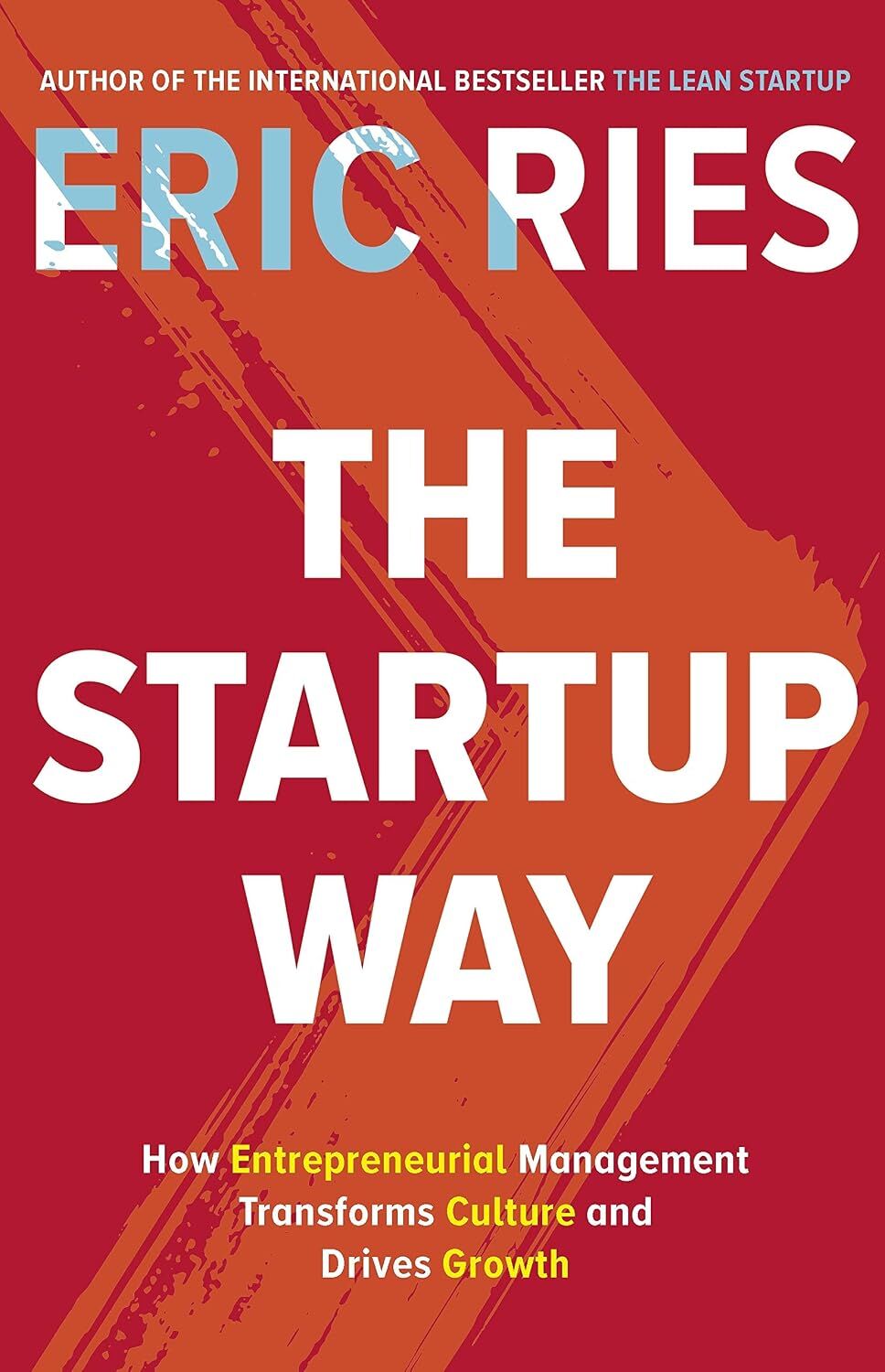
Portfolio Penguin Eric Ries Collection 2 Books Set - The Lean Startup & The Startup Way - Paperback - Business & Entrepreneurship Bundle for Founders and ManagersThis two-book collection brings together Eric Ries's most influential works on modern entrepreneurship: The Lean Startup and The Startup Way. Together they set out a rigorous, practical methodology for building successful businesses in conditions of extreme uncertainty, then show how those same lean principles can be scaled up to transform established, bureaucratic organisations. The Lean Startup introduced the world to concepts such as the minimum viable product, validated learning, and the build-measure-learn feedback loop. Drawing on his own experiences as a founder and advisor, Ries argues that startups succeed not through grand five-year plans but through rapid experimentation and continuous improvement. Ideal for founders, managers, and anyone curious about innovation, this set is a complete primer on lean thinking from the man who coined the term. The books are in brand new condition, published by Portfolio Penguin, and are suitable for adult readers.10,99 £*Shipping: 2,99 £Secure redirect to the provider
-
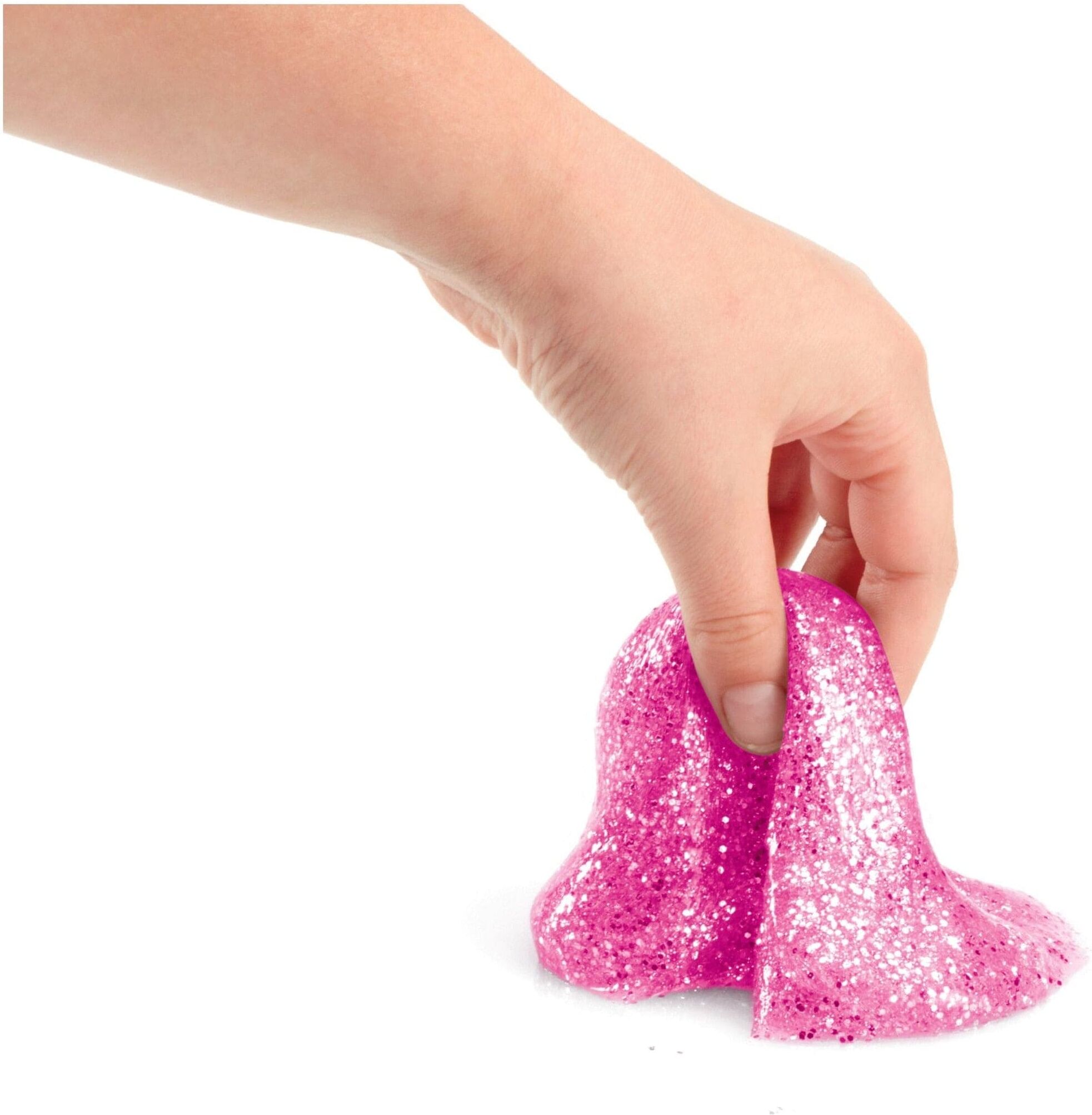
Character Options Cra-Z-Slimy Foodie Fun Shops Slimy Sweet Bakery Slime Playset - 6 Compounds, Moulds, Tools & Toppings for Sensory Play - Ages 3 and UpCreate colourful bakery-inspired slime treats with the Cra-Z-Slimy Foodie Fun Shops Slimy Sweet Bakery Slime Playset. This hands-on activity set combines moulding, decorating, and squishing for a creative sensory play session. Children can use the included compounds, tools, moulds, and toppings to make pretend sweet creations such as doughnuts and cupcakes, then reshape the materials for another round of play. The set is designed around a playful bakery theme, encouraging imaginative ideas and tactile exploration. The compounds can be kept in an airtight container after play to help maintain their soft, stretchy texture for reuse. This playset includes 6 compounds, moulds, tools, and toppings for making and decorating pretend sweet treats, such as doughnuts and cupcakes.8,79 £*Shipping: 3,95 £Secure redirect to the provider
-
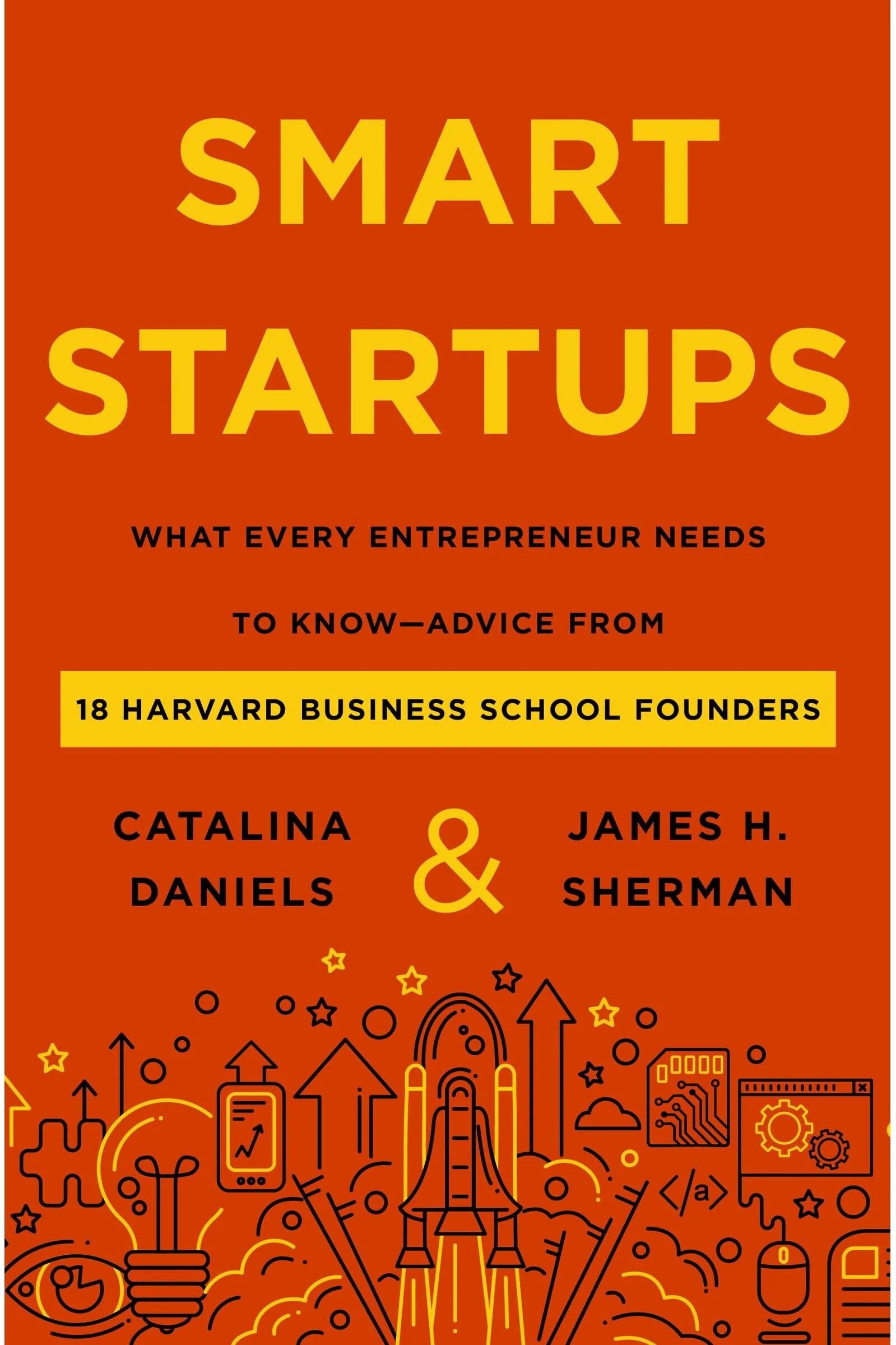
Harper Business Smart Startups: What Every Entrepreneur Needs to Know by Catalina Daniels & James H. Sherman - Hardback - Business & Entrepreneurship Non FictionSmart Startups: What Every Entrepreneur Needs to Know is a candid guide to building a company that lasts. Written by two Harvard Business School classmates turned founders and angel investors, it goes beyond classroom theory to show what actually happens inside eighteen startups launched by fellow HBS graduates. Packed with honest case studies, hard-won lessons, and unexpected pitfalls, this book is essential reading for anyone serious about turning an idea into a viable business. The authors, Catalina Daniels and James H. Sherman, met as classmates at Harvard Business School, where they studied the fundamentals of entrepreneurship together. Years later, after each had founded and exited multiple companies and become active angel investors, they discovered that their real-world experiences often diverged sharply from the conventional wisdom they learned in school.11,99 £*Shipping: 2,99 £Secure redirect to the provider
-
Picador Bad Blood: Secrets and Lies in a Silicon Valley Startup by John Carreyrou - Paperback - True Crime Business Book - Theranos Scandal ExposéBad Blood is John Carreyrou's Pulitzer Prize-winning investigation into Theranos, the blood-testing startup once valued at over $9 billion before collapsing into one of the biggest corporate frauds in American history. This gripping true-crime business narrative follows founder Elizabeth Holmes from Silicon Valley darling to disgraced fraudster, exposing the culture of secrecy, intimidation, and deception that hid a technology which simply didn't work — with devastating consequences for real patients. In 2014, Elizabeth Holmes was celebrated as the next Steve Jobs: a charismatic Stanford dropout whose startup promised to revolutionise healthcare with a single drop of blood. Backed by high-profile investors and board members, Theranos raised hundreds of millions of dollars on the promise of miniaturised blood-testing devices that could run hundreds of tests. This book is a paperback edition published by Picador, suitable for adult readers (18+).4,99 £*Shipping: 2,99 £Secure redirect to the provider


-
Can you help me with chemistry? I need information about atomic compounds, metal compounds, and ionic compounds.
Of course! Atomic compounds are formed when two or more non-metal atoms are chemically bonded together, such as in molecules like water (H2O) and carbon dioxide (CO2). Metal compounds are formed when a metal atom is bonded to one or more non-metal atoms, such as in compounds like sodium chloride (NaCl) and iron oxide (Fe2O3). Ionic compounds are formed when a metal atom transfers one or more electrons to a non-metal atom, resulting in the formation of positively and negatively charged ions that are attracted to each other, such as in compounds like sodium chloride (NaCl) and calcium carbonate (CaCO3). Let me know if you need more specific information or examples! **
-
Why do molecular compounds have lower boiling points than ionic compounds?
Molecular compounds have lower boiling points than ionic compounds because the intermolecular forces holding the molecules together are generally weaker than the electrostatic forces holding ions together in ionic compounds. In molecular compounds, the intermolecular forces are typically van der Waals forces, dipole-dipole interactions, or hydrogen bonding, which are weaker than the strong ionic bonds in ionic compounds. As a result, less energy is required to overcome these weaker intermolecular forces, leading to lower boiling points for molecular compounds compared to ionic compounds. **
-
Name the isomeric compounds.
Isomers are compounds that have the same molecular formula but different structural arrangements. Some examples of isomeric compounds include butane and isobutane, which both have the molecular formula C4H10 but differ in their structural arrangement. Another example is glucose and fructose, which both have the molecular formula C6H12O6 but have different structural arrangements and properties. **
-
What are sodium compounds?
Sodium compounds are chemical compounds that contain sodium as one of their elements. These compounds can be found in various forms, such as sodium chloride (table salt), sodium hydroxide (lye), and sodium bicarbonate (baking soda). Sodium compounds are widely used in industry, agriculture, and everyday life due to their diverse properties and applications. **

What are atomic compounds?
Atomic compounds are chemical compounds that are composed of individual atoms of different elements bonded together. These compounds are held together by chemical bonds, such as ionic or covalent bonds, and do not contain any molecules. Examples of atomic compounds include sodium chloride (NaCl) and water (H2O). Unlike molecular compounds, which are made up of molecules, atomic compounds are made up of individual atoms. **
What are molecular compounds?
Molecular compounds are chemical compounds formed by the combination of two or more non-metal atoms. These atoms are held together by covalent bonds, which involve the sharing of electrons. Molecular compounds can exist as discrete molecules, such as water (H2O) and carbon dioxide (CO2), and they typically have lower melting and boiling points compared to ionic compounds. Examples of molecular compounds include methane (CH4), ammonia (NH3), and sulfur dioxide (SO2). **
Top-Angebote
Products related to Compounds:
-
Cra-Z-Art Cra-Z-Slimy Cra-Z-Compounds Set - 12 Pieces - For KidsGet ready for super squishy fun with the Cra-Z-Art Cra-Z-Slimy Cra-Z-Compounds Set. This colourful multi-compound activity kit brings together a variety of tactile materials for imaginative, hands-on play. Children can squeeze, stretch, mix, sculpt and shape the different compounds to create their own colourful designs. The set includes 4 cans of Softee Dough, 4 cans of Cra-Z-Slimy, 3 bags of Fab Foam, 3 bags of Modelite, and 5 bags of glitter for adding extra sparkle to creative projects. Cra-Z-Slimy offers soft, stretchy sensory play, while Softee Dough and Modelite can be shaped into characters, objects, and decorations. Fab Foam adds a distinctive lightweight texture, and the glitter provides a way to personalise creations. Modelite can be reused when stored correctly in its airtight bag, helping extend the fun beyond a single play session. With several textures, colours, and materials to explore, this set is ideal for creative afternoons and rainy-day activities.12,99 £*Shipping: 3,95 £Secure redirect to the provider
-
Portfolio Penguin Eric Ries Collection 2 Books Set - The Lean Startup & The Startup Way - Paperback - Business & Entrepreneurship Bundle for Founders and ManagersThis two-book collection brings together Eric Ries's most influential works on modern entrepreneurship: The Lean Startup and The Startup Way. Together they set out a rigorous, practical methodology for building successful businesses in conditions of extreme uncertainty, then show how those same lean principles can be scaled up to transform established, bureaucratic organisations. The Lean Startup introduced the world to concepts such as the minimum viable product, validated learning, and the build-measure-learn feedback loop. Drawing on his own experiences as a founder and advisor, Ries argues that startups succeed not through grand five-year plans but through rapid experimentation and continuous improvement. Ideal for founders, managers, and anyone curious about innovation, this set is a complete primer on lean thinking from the man who coined the term. The books are in brand new condition, published by Portfolio Penguin, and are suitable for adult readers.10,99 £*Shipping: 2,99 £Secure redirect to the provider
-
Character Options Cra-Z-Slimy Foodie Fun Shops Slimy Sweet Bakery Slime Playset - 6 Compounds, Moulds, Tools & Toppings for Sensory Play - Ages 3 and UpCreate colourful bakery-inspired slime treats with the Cra-Z-Slimy Foodie Fun Shops Slimy Sweet Bakery Slime Playset. This hands-on activity set combines moulding, decorating, and squishing for a creative sensory play session. Children can use the included compounds, tools, moulds, and toppings to make pretend sweet creations such as doughnuts and cupcakes, then reshape the materials for another round of play. The set is designed around a playful bakery theme, encouraging imaginative ideas and tactile exploration. The compounds can be kept in an airtight container after play to help maintain their soft, stretchy texture for reuse. This playset includes 6 compounds, moulds, tools, and toppings for making and decorating pretend sweet treats, such as doughnuts and cupcakes.8,79 £*Shipping: 3,95 £Secure redirect to the provider
-
How can one distinguish ionic compounds from molecular compounds?
Ionic compounds are formed from the attraction between positively and negatively charged ions, while molecular compounds are formed from the sharing of electrons between atoms. One way to distinguish between the two is to look at their chemical formulas. Ionic compounds typically consist of a metal and a nonmetal, while molecular compounds consist of nonmetals only. Additionally, ionic compounds tend to have higher melting and boiling points compared to molecular compounds due to their strong electrostatic attractions. Finally, conducting a simple solubility test can also help distinguish between the two types of compounds, as ionic compounds are often soluble in water while molecular compounds may not be. **
-
How do you distinguish determinative compounds and possessive compounds?
Determinative compounds are formed by combining two words to create a new concept, where the first word determines the meaning of the second word. For example, "blackboard" is a determinative compound where "black" determines the type of "board." Possessive compounds, on the other hand, indicate possession or relationship between the two words. For example, "John's car" is a possessive compound where "John" possesses the "car." In summary, determinative compounds determine the meaning of the second word, while possessive compounds indicate possession or relationship between the two words. **
-
Can you help me with chemistry? I need information about atomic compounds, metal compounds, and ionic compounds.
Of course! Atomic compounds are formed when two or more non-metal atoms are chemically bonded together, such as in molecules like water (H2O) and carbon dioxide (CO2). Metal compounds are formed when a metal atom is bonded to one or more non-metal atoms, such as in compounds like sodium chloride (NaCl) and iron oxide (Fe2O3). Ionic compounds are formed when a metal atom transfers one or more electrons to a non-metal atom, resulting in the formation of positively and negatively charged ions that are attracted to each other, such as in compounds like sodium chloride (NaCl) and calcium carbonate (CaCO3). Let me know if you need more specific information or examples! **
-
Why do molecular compounds have lower boiling points than ionic compounds?
Molecular compounds have lower boiling points than ionic compounds because the intermolecular forces holding the molecules together are generally weaker than the electrostatic forces holding ions together in ionic compounds. In molecular compounds, the intermolecular forces are typically van der Waals forces, dipole-dipole interactions, or hydrogen bonding, which are weaker than the strong ionic bonds in ionic compounds. As a result, less energy is required to overcome these weaker intermolecular forces, leading to lower boiling points for molecular compounds compared to ionic compounds. **
Similar search terms for Compounds
-
Harper Business Smart Startups: What Every Entrepreneur Needs to Know by Catalina Daniels & James H. Sherman - Hardback - Business & Entrepreneurship Non FictionSmart Startups: What Every Entrepreneur Needs to Know is a candid guide to building a company that lasts. Written by two Harvard Business School classmates turned founders and angel investors, it goes beyond classroom theory to show what actually happens inside eighteen startups launched by fellow HBS graduates. Packed with honest case studies, hard-won lessons, and unexpected pitfalls, this book is essential reading for anyone serious about turning an idea into a viable business. The authors, Catalina Daniels and James H. Sherman, met as classmates at Harvard Business School, where they studied the fundamentals of entrepreneurship together. Years later, after each had founded and exited multiple companies and become active angel investors, they discovered that their real-world experiences often diverged sharply from the conventional wisdom they learned in school.11,99 £*Shipping: 2,99 £Secure redirect to the provider
-
Picador Bad Blood: Secrets and Lies in a Silicon Valley Startup by John Carreyrou - Paperback - True Crime Business Book - Theranos Scandal ExposéBad Blood is John Carreyrou's Pulitzer Prize-winning investigation into Theranos, the blood-testing startup once valued at over $9 billion before collapsing into one of the biggest corporate frauds in American history. This gripping true-crime business narrative follows founder Elizabeth Holmes from Silicon Valley darling to disgraced fraudster, exposing the culture of secrecy, intimidation, and deception that hid a technology which simply didn't work — with devastating consequences for real patients. In 2014, Elizabeth Holmes was celebrated as the next Steve Jobs: a charismatic Stanford dropout whose startup promised to revolutionise healthcare with a single drop of blood. Backed by high-profile investors and board members, Theranos raised hundreds of millions of dollars on the promise of miniaturised blood-testing devices that could run hundreds of tests. This book is a paperback edition published by Picador, suitable for adult readers (18+).4,99 £*Shipping: 2,99 £Secure redirect to the provider
-
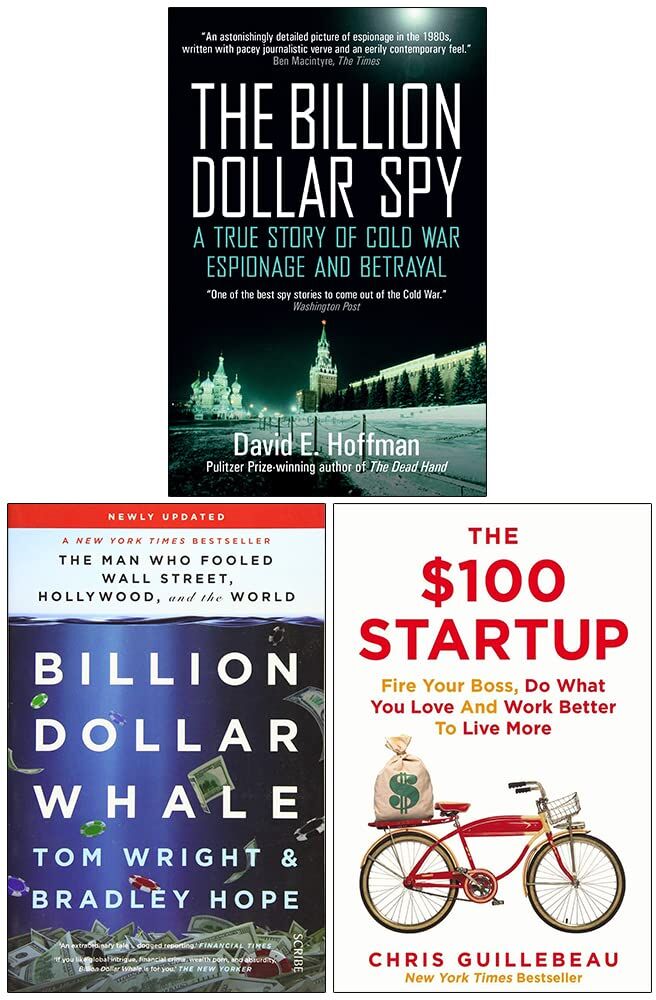
Various Publishers Billion Dollar Spy, Billion Dollar Whale, The $100 Startup - 3 Books Collection Set - Paperback - True Crime, Finance & Business Non-Fiction Gift SetThis three-book non-fiction collection includes The Billion Dollar Spy by David E. Hoffman, Billion Dollar Whale by Tom Wright and Bradley Hope, and The $100 Startup by Chris Guillebeau. The books offer gripping true stories of espionage and financial fraud, alongside practical entrepreneurship advice. The Billion Dollar Spy uncovers Cold War spy-craft in Moscow, Billion Dollar Whale exposes one of history's largest financial scandals, and The $100 Startup delivers a hands-on blueprint for building a business from scratch. The books are in new condition, published by Icon Books, Scribe UK, and Pan Macmillan, and are suitable for adult readers.13,99 £*Shipping: 2,99 £Secure redirect to the provider
-
Name the isomeric compounds.
Isomers are compounds that have the same molecular formula but different structural arrangements. Some examples of isomeric compounds include butane and isobutane, which both have the molecular formula C4H10 but differ in their structural arrangement. Another example is glucose and fructose, which both have the molecular formula C6H12O6 but have different structural arrangements and properties. **
-
What are sodium compounds?
Sodium compounds are chemical compounds that contain sodium as one of their elements. These compounds can be found in various forms, such as sodium chloride (table salt), sodium hydroxide (lye), and sodium bicarbonate (baking soda). Sodium compounds are widely used in industry, agriculture, and everyday life due to their diverse properties and applications. **
-
What are atomic compounds?
Atomic compounds are chemical compounds that are composed of individual atoms of different elements bonded together. These compounds are held together by chemical bonds, such as ionic or covalent bonds, and do not contain any molecules. Examples of atomic compounds include sodium chloride (NaCl) and water (H2O). Unlike molecular compounds, which are made up of molecules, atomic compounds are made up of individual atoms. **
-
What are molecular compounds?
Molecular compounds are chemical compounds formed by the combination of two or more non-metal atoms. These atoms are held together by covalent bonds, which involve the sharing of electrons. Molecular compounds can exist as discrete molecules, such as water (H2O) and carbon dioxide (CO2), and they typically have lower melting and boiling points compared to ionic compounds. Examples of molecular compounds include methane (CH4), ammonia (NH3), and sulfur dioxide (SO2). **
* All prices are inclusive of VAT and, if applicable, plus shipping costs. The offer information is based on the details provided by the respective shop and is updated through automated processes. Real-time updates do not occur, so deviations can occur in individual cases. ** Note: Parts of this content were created by AI.