Buy firmengründung.eu ?
We are moving the project
firmengründung.eu .
Are you interested in purchasing the domain
firmengründung.eu ?
domain@kv-gmbh.de · 0541-91531010
Buy firmengründung.eu ?
Lower classifications of crustaceans
Lower classifications of crustaceans include groups such as Malacostraca, Branchiopoda, Maxillopoda, and Remipedia. These groups are further divided into various orders, families, and species. Each lower classification has unique characteristics and adaptations that help them thrive in different aquatic environments. Studying these lower classifications helps scientists understand the diversity and evolution of crustaceans. **
How can one breed prehistoric crustaceans?
Breeding prehistoric crustaceans would require a deep understanding of their natural habitat, behavior, and dietary needs. It would also involve creating an environment that closely mimics the conditions of the prehistoric era, including water temperature, salinity, and oxygen levels. Additionally, it would be important to source the specific species of prehistoric crustaceans and ensure that they are not endangered or protected. Finally, careful monitoring and maintenance of the breeding environment would be necessary to ensure the health and reproduction of the crustaceans. **
Similar search terms for Crustaceans
Top-Angebote
Products related to Crustaceans:
-
Flythe Consulting Arika Wall Sconce Pair, Pair, Satin NickelThe Arika Wall Sconce Pair is an adaptation of old-fashioned light fixtures, with an appealing design that will complement modern decor. The lacquered solid brass sconces have 4.75 dia.x7 H clear glass hurricanes that will protect your standard...179,00 $*Shipping: 22,95 $Secure redirect to the provider
-
Picador Bad Blood: Secrets and Lies in a Silicon Valley Startup by John Carreyrou - Paperback - True Crime Business Book - Theranos Scandal ExposéBad Blood is John Carreyrou's Pulitzer Prize-winning investigation into Theranos, the blood-testing startup once valued at over $9 billion before collapsing into one of the biggest corporate frauds in American history. This gripping true-crime business narrative follows founder Elizabeth Holmes from Silicon Valley darling to disgraced fraudster, exposing the culture of secrecy, intimidation, and deception that hid a technology which simply didn't work — with devastating consequences for real patients. In 2014, Elizabeth Holmes was celebrated as the next Steve Jobs: a charismatic Stanford dropout whose startup promised to revolutionise healthcare with a single drop of blood. Backed by high-profile investors and board members, Theranos raised hundreds of millions of dollars on the promise of miniaturised blood-testing devices that could run hundreds of tests. This book is a paperback edition published by Picador, suitable for adult readers (18+).4,99 £*Shipping: 2,99 £Secure redirect to the provider
-
Flythe Consulting Jonetia Hurricane Wall Sconce Pair Satin Brass, Pair, Satin BrassThe Jonetia Satin Brass Hurricane Wall Sconce Pair proudly displays grandeur on your walls. These hand-forged, solid brass sconces feature a diamond design and fleur-de-lis motif. Sconces have a lacquered, satin brass finish that is done by hand. A...229,00 $*Shipping: 32,06 $Secure redirect to the provider




-
How long do prehistoric crustaceans live?
The lifespan of prehistoric crustaceans varied depending on the species. Some prehistoric crustaceans, such as the horseshoe crab, are known to have existed for hundreds of millions of years, making them one of the oldest living species on Earth. Other prehistoric crustaceans may have had shorter lifespans, but due to the limited fossil record, it is difficult to determine the exact lifespan of all prehistoric crustaceans. Overall, prehistoric crustaceans were able to survive and thrive for millions of years, adapting to changing environmental conditions and evolving alongside other ancient species. **
-
How do I properly breed prehistoric crustaceans?
To properly breed prehistoric crustaceans, you will need to create an environment that closely mimics their natural habitat. This includes providing a suitable tank with the right water conditions, temperature, and pH levels. You will also need to ensure that the crustaceans have access to the right food sources and hiding places. It's important to research the specific species of prehistoric crustaceans you are breeding to understand their unique needs and behaviors. Additionally, monitoring water quality and maintaining a clean environment is crucial for the health and successful breeding of prehistoric crustaceans. **
-
What are prehistoric crustaceans as a gift?
Prehistoric crustaceans as a gift could refer to fossils or replicas of ancient crustaceans that lived millions of years ago. These could include creatures such as trilobites, ancient shrimp, or other early crustaceans that are now extinct. These gifts could be of interest to paleontologists, collectors, or anyone fascinated by prehistoric life. They provide a unique and educational gift option for those interested in natural history and the evolution of life on Earth. **
-
Why don't prehistoric crustaceans hatch in my case?
Prehistoric crustaceans do not hatch in your case because they require specific environmental conditions to hatch and develop. These conditions may include a certain temperature, water quality, and oxygen levels, which may not be present in your case. Additionally, prehistoric crustaceans may require specific nutrients and food sources that are not available in your case. Finally, prehistoric crustaceans may not be present in your case in the first place, as they are typically found in natural aquatic environments. **

What concerns are there when raising prehistoric crustaceans?
When raising prehistoric crustaceans, some concerns may include ensuring they have the proper environment and conditions to thrive, such as appropriate water quality and temperature. Another concern is providing them with a suitable diet that mimics their natural food sources. Additionally, it is important to monitor their growth and behavior closely to address any health issues or aggression that may arise in a communal setting. **
What are the differences between crustaceans and spiders?
Crustaceans and spiders belong to different classes within the phylum Arthropoda. Crustaceans, such as crabs and shrimp, have a distinct body structure with two pairs of antennae and two body segments: the cephalothorax and abdomen. They also have gills for breathing and typically live in aquatic environments. Spiders, on the other hand, have a two-part body consisting of the cephalothorax and abdomen, with four pairs of legs and no antennae. They also have spinnerets for producing silk and are predominantly terrestrial. Additionally, spiders are arachnids, while crustaceans are not. **
Top-Angebote
Products related to Crustaceans:
-
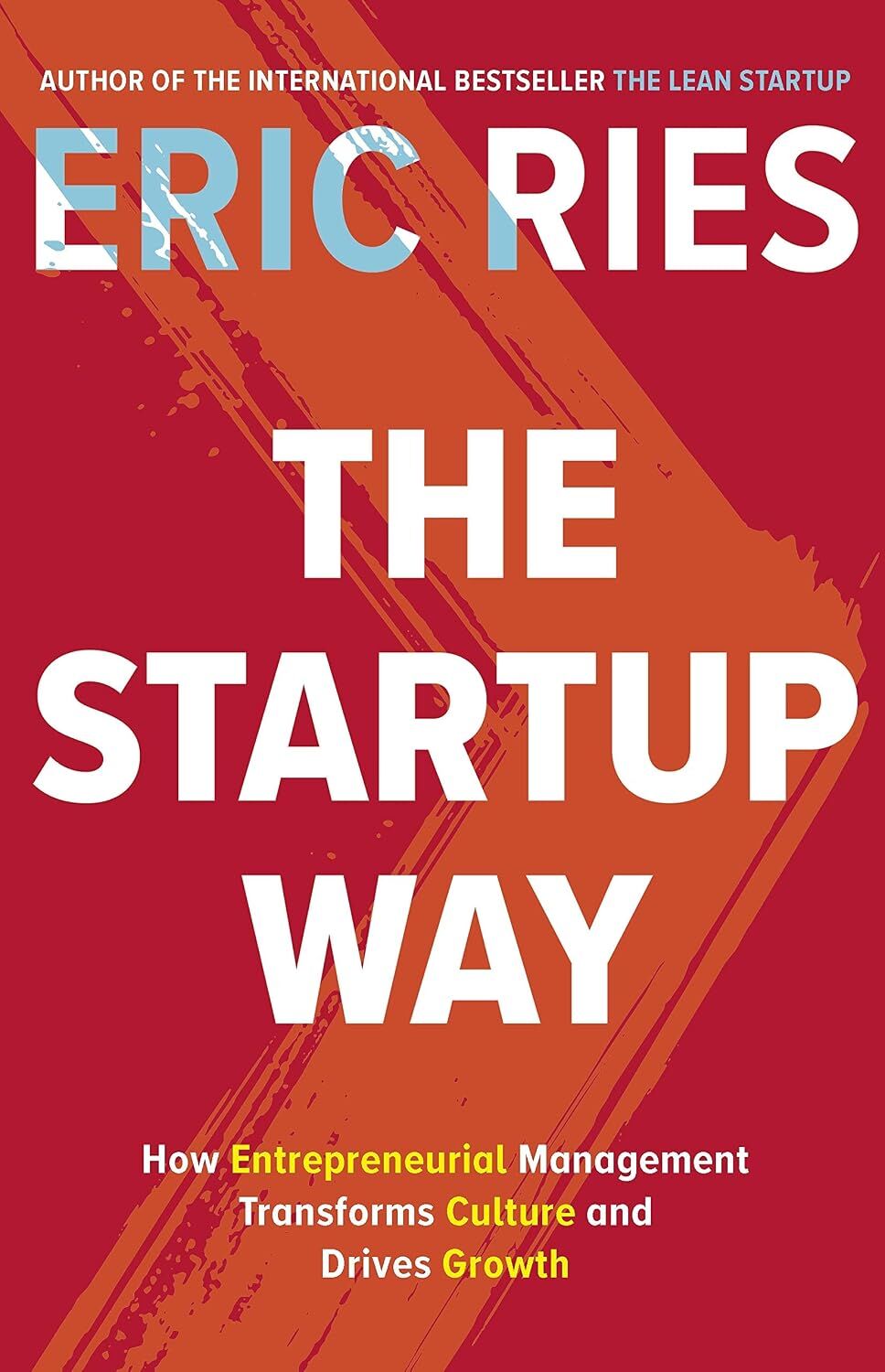
Portfolio Penguin Eric Ries Collection 2 Books Set - The Lean Startup & The Startup Way - Paperback - Business & Entrepreneurship Bundle for Founders and ManagersThis two-book collection brings together Eric Ries's most influential works on modern entrepreneurship: The Lean Startup and The Startup Way. Together they set out a rigorous, practical methodology for building successful businesses in conditions of extreme uncertainty, then show how those same lean principles can be scaled up to transform established, bureaucratic organisations. The Lean Startup introduced the world to concepts such as the minimum viable product, validated learning, and the build-measure-learn feedback loop. Drawing on his own experiences as a founder and advisor, Ries argues that startups succeed not through grand five-year plans but through rapid experimentation and continuous improvement. Ideal for founders, managers, and anyone curious about innovation, this set is a complete primer on lean thinking from the man who coined the term. The books are in brand new condition, published by Portfolio Penguin, and are suitable for adult readers.10,99 £*Shipping: 2,99 £Secure redirect to the provider
-
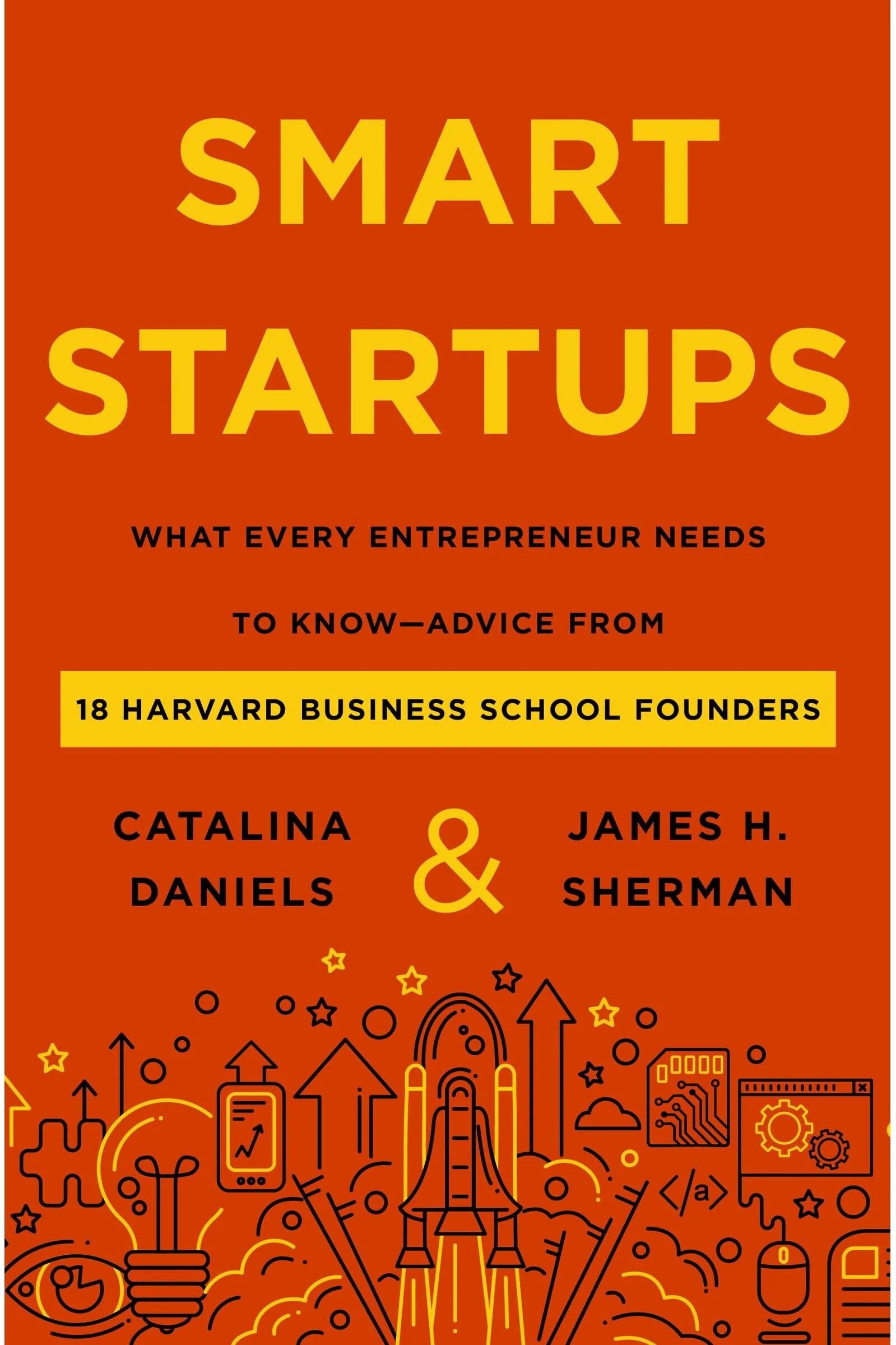
Harper Business Smart Startups: What Every Entrepreneur Needs to Know by Catalina Daniels & James H. Sherman - Hardback - Business & Entrepreneurship Non FictionSmart Startups: What Every Entrepreneur Needs to Know is a candid guide to building a company that lasts. Written by two Harvard Business School classmates turned founders and angel investors, it goes beyond classroom theory to show what actually happens inside eighteen startups launched by fellow HBS graduates. Packed with honest case studies, hard-won lessons, and unexpected pitfalls, this book is essential reading for anyone serious about turning an idea into a viable business. The authors, Catalina Daniels and James H. Sherman, met as classmates at Harvard Business School, where they studied the fundamentals of entrepreneurship together. Years later, after each had founded and exited multiple companies and become active angel investors, they discovered that their real-world experiences often diverged sharply from the conventional wisdom they learned in school.11,99 £*Shipping: 2,99 £Secure redirect to the provider
-
Flythe Consulting Arika Wall Sconce Pair, Pair, Satin NickelThe Arika Wall Sconce Pair is an adaptation of old-fashioned light fixtures, with an appealing design that will complement modern decor. The lacquered solid brass sconces have 4.75 dia.x7 H clear glass hurricanes that will protect your standard...179,00 $*Shipping: 22,95 $Secure redirect to the provider
-
Lower classifications of crustaceans
Lower classifications of crustaceans include groups such as Malacostraca, Branchiopoda, Maxillopoda, and Remipedia. These groups are further divided into various orders, families, and species. Each lower classification has unique characteristics and adaptations that help them thrive in different aquatic environments. Studying these lower classifications helps scientists understand the diversity and evolution of crustaceans. **
-
How can one breed prehistoric crustaceans?
Breeding prehistoric crustaceans would require a deep understanding of their natural habitat, behavior, and dietary needs. It would also involve creating an environment that closely mimics the conditions of the prehistoric era, including water temperature, salinity, and oxygen levels. Additionally, it would be important to source the specific species of prehistoric crustaceans and ensure that they are not endangered or protected. Finally, careful monitoring and maintenance of the breeding environment would be necessary to ensure the health and reproduction of the crustaceans. **
-
How long do prehistoric crustaceans live?
The lifespan of prehistoric crustaceans varied depending on the species. Some prehistoric crustaceans, such as the horseshoe crab, are known to have existed for hundreds of millions of years, making them one of the oldest living species on Earth. Other prehistoric crustaceans may have had shorter lifespans, but due to the limited fossil record, it is difficult to determine the exact lifespan of all prehistoric crustaceans. Overall, prehistoric crustaceans were able to survive and thrive for millions of years, adapting to changing environmental conditions and evolving alongside other ancient species. **
-
How do I properly breed prehistoric crustaceans?
To properly breed prehistoric crustaceans, you will need to create an environment that closely mimics their natural habitat. This includes providing a suitable tank with the right water conditions, temperature, and pH levels. You will also need to ensure that the crustaceans have access to the right food sources and hiding places. It's important to research the specific species of prehistoric crustaceans you are breeding to understand their unique needs and behaviors. Additionally, monitoring water quality and maintaining a clean environment is crucial for the health and successful breeding of prehistoric crustaceans. **
Similar search terms for Crustaceans
-
Picador Bad Blood: Secrets and Lies in a Silicon Valley Startup by John Carreyrou - Paperback - True Crime Business Book - Theranos Scandal ExposéBad Blood is John Carreyrou's Pulitzer Prize-winning investigation into Theranos, the blood-testing startup once valued at over $9 billion before collapsing into one of the biggest corporate frauds in American history. This gripping true-crime business narrative follows founder Elizabeth Holmes from Silicon Valley darling to disgraced fraudster, exposing the culture of secrecy, intimidation, and deception that hid a technology which simply didn't work — with devastating consequences for real patients. In 2014, Elizabeth Holmes was celebrated as the next Steve Jobs: a charismatic Stanford dropout whose startup promised to revolutionise healthcare with a single drop of blood. Backed by high-profile investors and board members, Theranos raised hundreds of millions of dollars on the promise of miniaturised blood-testing devices that could run hundreds of tests. This book is a paperback edition published by Picador, suitable for adult readers (18+).4,99 £*Shipping: 2,99 £Secure redirect to the provider
-
Flythe Consulting Jonetia Hurricane Wall Sconce Pair Satin Brass, Pair, Satin BrassThe Jonetia Satin Brass Hurricane Wall Sconce Pair proudly displays grandeur on your walls. These hand-forged, solid brass sconces feature a diamond design and fleur-de-lis motif. Sconces have a lacquered, satin brass finish that is done by hand. A...229,00 $*Shipping: 32,06 $Secure redirect to the provider
-
Various Publishers Billion Dollar Spy, Billion Dollar Whale, The $100 Startup - 3 Books Collection Set - Paperback - True Crime, Finance & Business Non-Fiction Gift SetThis three-book non-fiction collection includes The Billion Dollar Spy by David E. Hoffman, Billion Dollar Whale by Tom Wright and Bradley Hope, and The $100 Startup by Chris Guillebeau. The books offer gripping true stories of espionage and financial fraud, alongside practical entrepreneurship advice. The Billion Dollar Spy uncovers Cold War spy-craft in Moscow, Billion Dollar Whale exposes one of history's largest financial scandals, and The $100 Startup delivers a hands-on blueprint for building a business from scratch. The books are in new condition, published by Icon Books, Scribe UK, and Pan Macmillan, and are suitable for adult readers.13,99 £*Shipping: 2,99 £Secure redirect to the provider
-
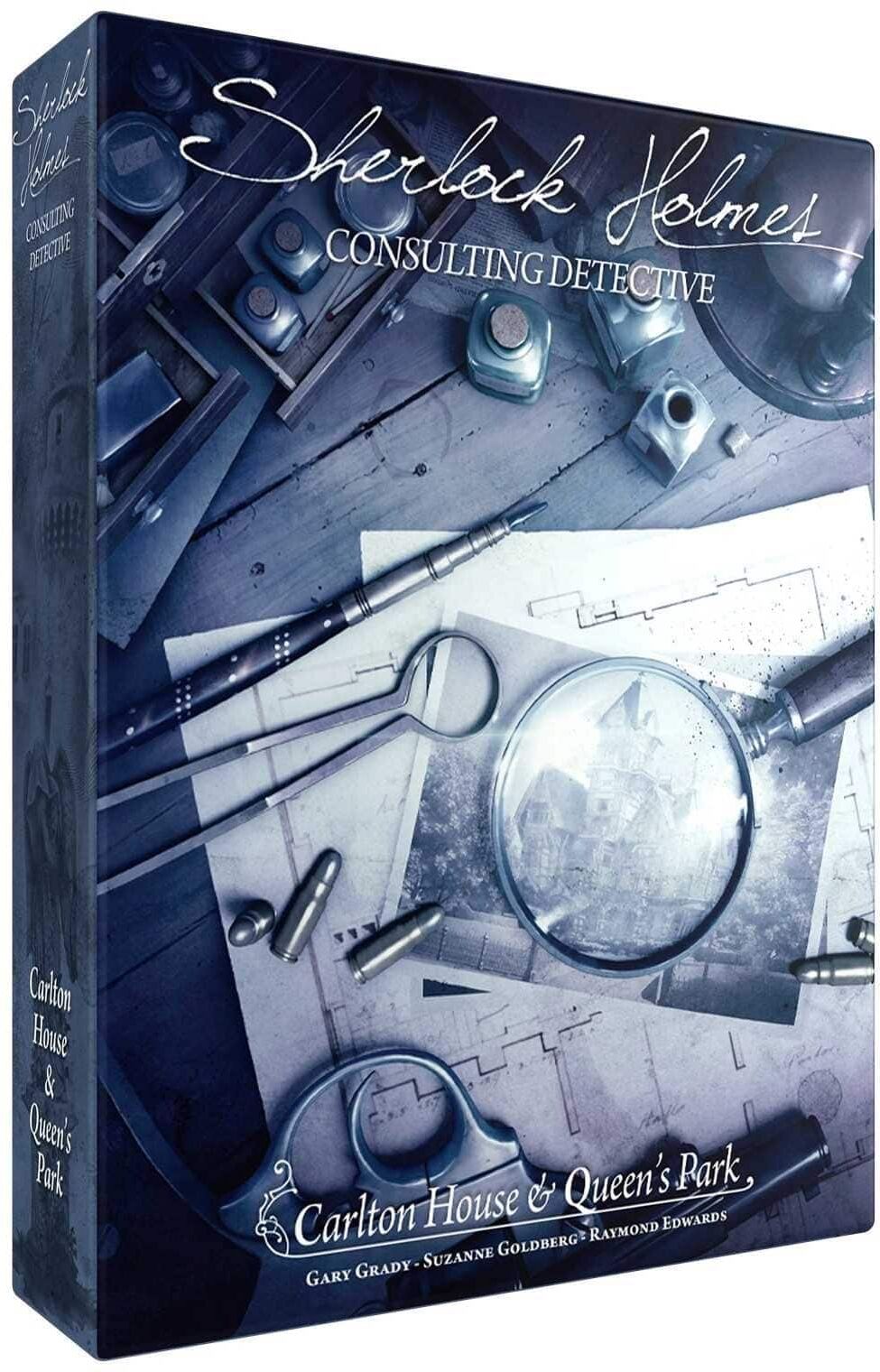
Sherlock Holmes: Consulting Detective – Carlton House ; Queen’s Park Board Game by Space CowboysStep into Victorian London and investigate a new collection of challenging cases in this standalone edition of Sherlock Holmes: Consulting Detective. As a team of investigators, examine clues, follow leads, and question your powers of deduction as you work to solve each mystery. This edition includes 10 cases with varying levels of difficulty, offering an engaging experience for players who enjoy detailed investigations, logical reasoning, and collaborative problem-solving. Each case invites you to study the evidence carefully and decide which trail to follow, while avoiding distractions and misleading information. Designed for group play, the game provides an immersive tabletop experience for fans of Sherlock Holmes and mystery games. Carlton House ; Queen’s Park is a standalone instalment in the Consulting Detective range and can be enjoyed as its own collection of investigations.26,79 £*Shipping: 3,95 £Secure redirect to the provider
-
What are prehistoric crustaceans as a gift?
Prehistoric crustaceans as a gift could refer to fossils or replicas of ancient crustaceans that lived millions of years ago. These could include creatures such as trilobites, ancient shrimp, or other early crustaceans that are now extinct. These gifts could be of interest to paleontologists, collectors, or anyone fascinated by prehistoric life. They provide a unique and educational gift option for those interested in natural history and the evolution of life on Earth. **
-
Why don't prehistoric crustaceans hatch in my case?
Prehistoric crustaceans do not hatch in your case because they require specific environmental conditions to hatch and develop. These conditions may include a certain temperature, water quality, and oxygen levels, which may not be present in your case. Additionally, prehistoric crustaceans may require specific nutrients and food sources that are not available in your case. Finally, prehistoric crustaceans may not be present in your case in the first place, as they are typically found in natural aquatic environments. **
-
What concerns are there when raising prehistoric crustaceans?
When raising prehistoric crustaceans, some concerns may include ensuring they have the proper environment and conditions to thrive, such as appropriate water quality and temperature. Another concern is providing them with a suitable diet that mimics their natural food sources. Additionally, it is important to monitor their growth and behavior closely to address any health issues or aggression that may arise in a communal setting. **
-
What are the differences between crustaceans and spiders?
Crustaceans and spiders belong to different classes within the phylum Arthropoda. Crustaceans, such as crabs and shrimp, have a distinct body structure with two pairs of antennae and two body segments: the cephalothorax and abdomen. They also have gills for breathing and typically live in aquatic environments. Spiders, on the other hand, have a two-part body consisting of the cephalothorax and abdomen, with four pairs of legs and no antennae. They also have spinnerets for producing silk and are predominantly terrestrial. Additionally, spiders are arachnids, while crustaceans are not. **
* All prices are inclusive of VAT and, if applicable, plus shipping costs. The offer information is based on the details provided by the respective shop and is updated through automated processes. Real-time updates do not occur, so deviations can occur in individual cases. ** Note: Parts of this content were created by AI.