Buy firmengründung.eu ?
We are moving the project
firmengründung.eu .
Are you interested in purchasing the domain
firmengründung.eu ?
domain@kv-gmbh.de · 0541-91531010
Buy firmengründung.eu ?
Is ammonia polyprotic or monoprotic?
Ammonia is a monoprotic base, meaning it can donate only one proton (H+) in a chemical reaction. This is because ammonia has only one nitrogen atom that can accept a proton to form the ammonium ion (NH4+). Therefore, ammonia is considered monoprotic. **
Why is vinegar a monoprotic acid?
Vinegar is a monoprotic acid because it contains one hydrogen ion (H+) that can be donated in a chemical reaction. When vinegar (acetic acid) dissociates in water, it releases only one hydrogen ion per molecule. This means that each molecule of vinegar can donate only one proton, making it a monoprotic acid. **

Similar search terms for Monoprotic
Top-Angebote
Products related to Monoprotic:
-
Flythe Consulting Arika Wall Sconce Pair, Pair, Satin NickelThe Arika Wall Sconce Pair is an adaptation of old-fashioned light fixtures, with an appealing design that will complement modern decor. The lacquered solid brass sconces have 4.75 dia.x7 H clear glass hurricanes that will protect your standard...179,00 $*Shipping: 22,95 $Secure redirect to the provider
-
Flythe Consulting Jonetia Hurricane Wall Sconce Pair Satin Brass, Pair, Satin BrassThe Jonetia Satin Brass Hurricane Wall Sconce Pair proudly displays grandeur on your walls. These hand-forged, solid brass sconces feature a diamond design and fleur-de-lis motif. Sconces have a lacquered, satin brass finish that is done by hand. A...229,00 $*Shipping: 32,06 $Secure redirect to the provider
-
Picador Bad Blood: Secrets and Lies in a Silicon Valley Startup by John Carreyrou - Paperback - True Crime Business Book - Theranos Scandal ExposéBad Blood is John Carreyrou's Pulitzer Prize-winning investigation into Theranos, the blood-testing startup once valued at over $9 billion before collapsing into one of the biggest corporate frauds in American history. This gripping true-crime business narrative follows founder Elizabeth Holmes from Silicon Valley darling to disgraced fraudster, exposing the culture of secrecy, intimidation, and deception that hid a technology which simply didn't work — with devastating consequences for real patients. In 2014, Elizabeth Holmes was celebrated as the next Steve Jobs: a charismatic Stanford dropout whose startup promised to revolutionise healthcare with a single drop of blood. Backed by high-profile investors and board members, Theranos raised hundreds of millions of dollars on the promise of miniaturised blood-testing devices that could run hundreds of tests. This book is a paperback edition published by Picador, suitable for adult readers (18+).4,99 £*Shipping: 2,99 £Secure redirect to the provider




-
What are monoprotic and polyprotic acids?
Monoprotic acids are acids that can donate only one proton (hydrogen ion) per molecule when they dissociate in water. Examples include hydrochloric acid (HCl) and acetic acid (CH3COOH). Polyprotic acids, on the other hand, are acids that can donate more than one proton per molecule when they dissociate in water. Examples include sulfuric acid (H2SO4) and phosphoric acid (H3PO4). **
-
Which substance is a monoprotic acid?
Acetic acid is a monoprotic acid. This means that it can donate only one proton (H+) in a chemical reaction. Acetic acid is found in vinegar and is commonly used in cooking and food preservation. Its chemical formula is CH3COOH. **
-
Why is formic acid a monoprotic acid?
Formic acid is a monoprotic acid because it can donate only one proton (H+) in a chemical reaction. This is due to its chemical structure, which contains only one carboxylic acid functional group (COOH), allowing for the donation of only one proton. As a result, formic acid can form only one type of ion when it donates a proton, making it a monoprotic acid. **
-
How can one recognize which acids are monoprotic, diprotic, or triprotic?
One can recognize the number of protons that an acid can donate by looking at its chemical formula and structure. Monoprotic acids, such as hydrochloric acid (HCl) and acetic acid (CH3COOH), can donate one proton. Diprotic acids, such as sulfuric acid (H2SO4), can donate two protons. Triprotic acids, such as phosphoric acid (H3PO4), can donate three protons. Additionally, one can also recognize the number of protons an acid can donate by looking at its ionization constants (Ka values) - monoprotic acids will have one Ka value, diprotic acids will have two Ka values, and triprotic acids will have three Ka values. **


How can I tell if an acid is monoprotic or polyprotic?
You can determine if an acid is monoprotic or polyprotic by looking at its chemical formula. If the formula contains only one hydrogen ion (H+), then the acid is monoprotic. However, if the formula contains more than one hydrogen ion, then the acid is polyprotic. Additionally, you can also look at the acid's chemical structure and its ability to donate multiple hydrogen ions to determine if it is polyprotic. **
Can someone explain the meaning of monoprotic and polyprotic to me?
Sure! Monoprotic and polyprotic refer to the number of protons that can be donated by an acid. Monoprotic acids can donate one proton, while polyprotic acids can donate more than one proton. For example, hydrochloric acid (HCl) is monoprotic because it can donate one proton, while sulfuric acid (H2SO4) is polyprotic because it can donate two protons. This distinction is important in understanding the behavior and properties of different acids in chemical reactions. **
Top-Angebote
Products related to Monoprotic:
-
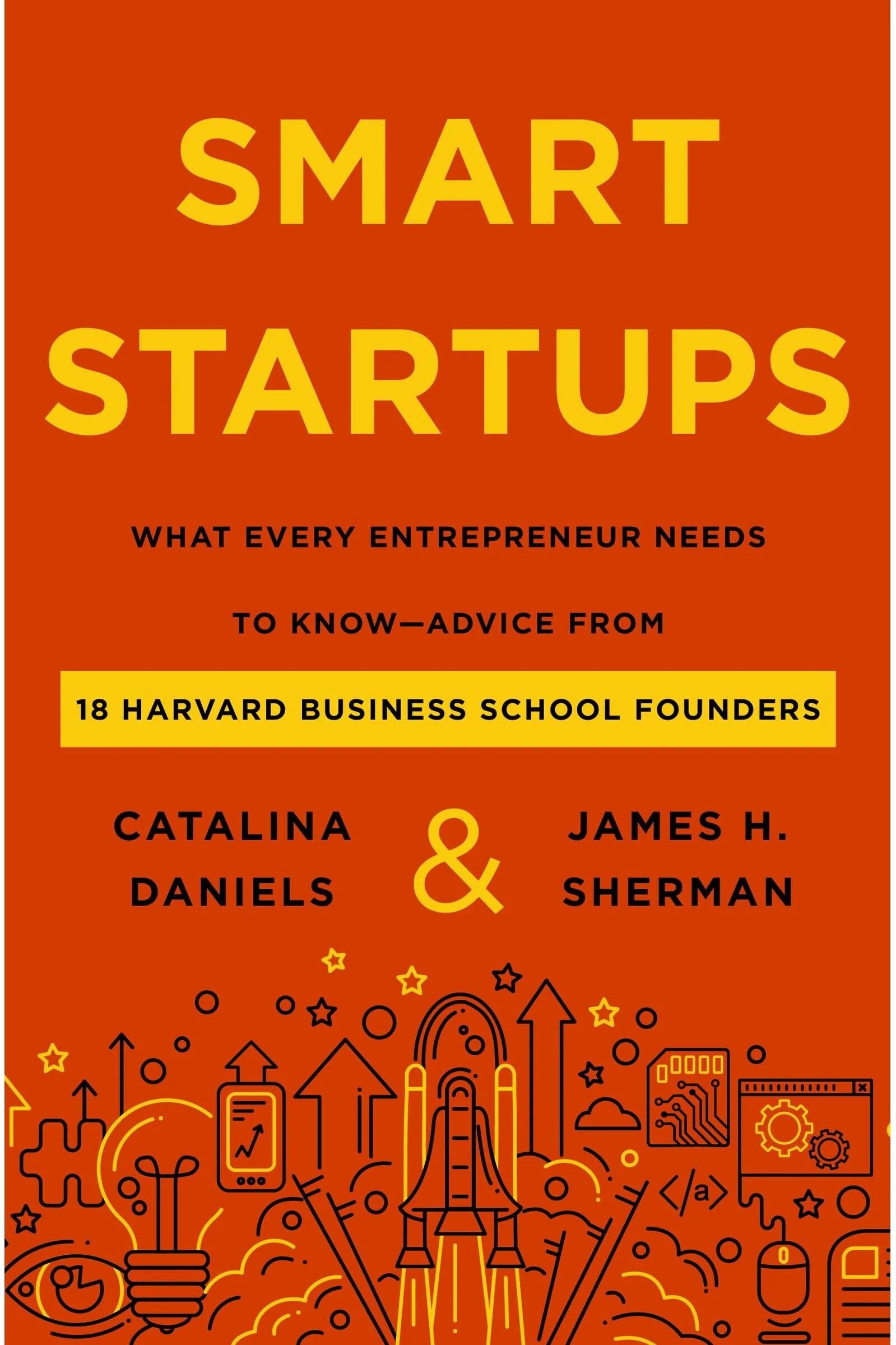
Harper Business Smart Startups: What Every Entrepreneur Needs to Know by Catalina Daniels & James H. Sherman - Hardback - Business & Entrepreneurship Non FictionSmart Startups: What Every Entrepreneur Needs to Know is a candid guide to building a company that lasts. Written by two Harvard Business School classmates turned founders and angel investors, it goes beyond classroom theory to show what actually happens inside eighteen startups launched by fellow HBS graduates. Packed with honest case studies, hard-won lessons, and unexpected pitfalls, this book is essential reading for anyone serious about turning an idea into a viable business. The authors, Catalina Daniels and James H. Sherman, met as classmates at Harvard Business School, where they studied the fundamentals of entrepreneurship together. Years later, after each had founded and exited multiple companies and become active angel investors, they discovered that their real-world experiences often diverged sharply from the conventional wisdom they learned in school.11,99 £*Shipping: 2,99 £Secure redirect to the provider
-
Portfolio Penguin Eric Ries Collection 2 Books Set - The Lean Startup & The Startup Way - Paperback - Business & Entrepreneurship Bundle for Founders and ManagersThis two-book collection brings together Eric Ries's most influential works on modern entrepreneurship: The Lean Startup and The Startup Way. Together they set out a rigorous, practical methodology for building successful businesses in conditions of extreme uncertainty, then show how those same lean principles can be scaled up to transform established, bureaucratic organisations. The Lean Startup introduced the world to concepts such as the minimum viable product, validated learning, and the build-measure-learn feedback loop. Drawing on his own experiences as a founder and advisor, Ries argues that startups succeed not through grand five-year plans but through rapid experimentation and continuous improvement. Ideal for founders, managers, and anyone curious about innovation, this set is a complete primer on lean thinking from the man who coined the term. The books are in brand new condition, published by Portfolio Penguin, and are suitable for adult readers.10,99 £*Shipping: 2,99 £Secure redirect to the provider
-
Flythe Consulting Arika Wall Sconce Pair, Pair, Satin NickelThe Arika Wall Sconce Pair is an adaptation of old-fashioned light fixtures, with an appealing design that will complement modern decor. The lacquered solid brass sconces have 4.75 dia.x7 H clear glass hurricanes that will protect your standard...179,00 $*Shipping: 22,95 $Secure redirect to the provider
-
Is ammonia polyprotic or monoprotic?
Ammonia is a monoprotic base, meaning it can donate only one proton (H+) in a chemical reaction. This is because ammonia has only one nitrogen atom that can accept a proton to form the ammonium ion (NH4+). Therefore, ammonia is considered monoprotic. **
-
Why is vinegar a monoprotic acid?
Vinegar is a monoprotic acid because it contains one hydrogen ion (H+) that can be donated in a chemical reaction. When vinegar (acetic acid) dissociates in water, it releases only one hydrogen ion per molecule. This means that each molecule of vinegar can donate only one proton, making it a monoprotic acid. **
-
What are monoprotic and polyprotic acids?
Monoprotic acids are acids that can donate only one proton (hydrogen ion) per molecule when they dissociate in water. Examples include hydrochloric acid (HCl) and acetic acid (CH3COOH). Polyprotic acids, on the other hand, are acids that can donate more than one proton per molecule when they dissociate in water. Examples include sulfuric acid (H2SO4) and phosphoric acid (H3PO4). **
-
Which substance is a monoprotic acid?
Acetic acid is a monoprotic acid. This means that it can donate only one proton (H+) in a chemical reaction. Acetic acid is found in vinegar and is commonly used in cooking and food preservation. Its chemical formula is CH3COOH. **
Similar search terms for Monoprotic
-
Flythe Consulting Jonetia Hurricane Wall Sconce Pair Satin Brass, Pair, Satin BrassThe Jonetia Satin Brass Hurricane Wall Sconce Pair proudly displays grandeur on your walls. These hand-forged, solid brass sconces feature a diamond design and fleur-de-lis motif. Sconces have a lacquered, satin brass finish that is done by hand. A...229,00 $*Shipping: 32,06 $Secure redirect to the provider
-
Picador Bad Blood: Secrets and Lies in a Silicon Valley Startup by John Carreyrou - Paperback - True Crime Business Book - Theranos Scandal ExposéBad Blood is John Carreyrou's Pulitzer Prize-winning investigation into Theranos, the blood-testing startup once valued at over $9 billion before collapsing into one of the biggest corporate frauds in American history. This gripping true-crime business narrative follows founder Elizabeth Holmes from Silicon Valley darling to disgraced fraudster, exposing the culture of secrecy, intimidation, and deception that hid a technology which simply didn't work — with devastating consequences for real patients. In 2014, Elizabeth Holmes was celebrated as the next Steve Jobs: a charismatic Stanford dropout whose startup promised to revolutionise healthcare with a single drop of blood. Backed by high-profile investors and board members, Theranos raised hundreds of millions of dollars on the promise of miniaturised blood-testing devices that could run hundreds of tests. This book is a paperback edition published by Picador, suitable for adult readers (18+).4,99 £*Shipping: 2,99 £Secure redirect to the provider
-
Space Cowboys Sherlock Holmes Consulting Detective - Carlton House & Queen's Park Board Game - 10 CasesStep into Victorian London and investigate a new collection of challenging cases in this standalone edition of Sherlock Holmes: Consulting Detective. Includes 10 cases with varying levels of difficulty for immersive group play.26,79 £*Shipping: 3,95 £Secure redirect to the provider
-
Various Publishers Billion Dollar Spy, Billion Dollar Whale, The $100 Startup - 3 Books Collection Set - Paperback - True Crime, Finance & Business Non-Fiction Gift SetThis three-book non-fiction collection includes The Billion Dollar Spy by David E. Hoffman, Billion Dollar Whale by Tom Wright and Bradley Hope, and The $100 Startup by Chris Guillebeau. The books offer gripping true stories of espionage and financial fraud, alongside practical entrepreneurship advice. The Billion Dollar Spy uncovers Cold War spy-craft in Moscow, Billion Dollar Whale exposes one of history's largest financial scandals, and The $100 Startup delivers a hands-on blueprint for building a business from scratch. The books are in new condition, published by Icon Books, Scribe UK, and Pan Macmillan, and are suitable for adult readers.13,99 £*Shipping: 2,99 £Secure redirect to the provider
-
Why is formic acid a monoprotic acid?
Formic acid is a monoprotic acid because it can donate only one proton (H+) in a chemical reaction. This is due to its chemical structure, which contains only one carboxylic acid functional group (COOH), allowing for the donation of only one proton. As a result, formic acid can form only one type of ion when it donates a proton, making it a monoprotic acid. **
-
How can one recognize which acids are monoprotic, diprotic, or triprotic?
One can recognize the number of protons that an acid can donate by looking at its chemical formula and structure. Monoprotic acids, such as hydrochloric acid (HCl) and acetic acid (CH3COOH), can donate one proton. Diprotic acids, such as sulfuric acid (H2SO4), can donate two protons. Triprotic acids, such as phosphoric acid (H3PO4), can donate three protons. Additionally, one can also recognize the number of protons an acid can donate by looking at its ionization constants (Ka values) - monoprotic acids will have one Ka value, diprotic acids will have two Ka values, and triprotic acids will have three Ka values. **
-
How can I tell if an acid is monoprotic or polyprotic?
You can determine if an acid is monoprotic or polyprotic by looking at its chemical formula. If the formula contains only one hydrogen ion (H+), then the acid is monoprotic. However, if the formula contains more than one hydrogen ion, then the acid is polyprotic. Additionally, you can also look at the acid's chemical structure and its ability to donate multiple hydrogen ions to determine if it is polyprotic. **
-
Can someone explain the meaning of monoprotic and polyprotic to me?
Sure! Monoprotic and polyprotic refer to the number of protons that can be donated by an acid. Monoprotic acids can donate one proton, while polyprotic acids can donate more than one proton. For example, hydrochloric acid (HCl) is monoprotic because it can donate one proton, while sulfuric acid (H2SO4) is polyprotic because it can donate two protons. This distinction is important in understanding the behavior and properties of different acids in chemical reactions. **
* All prices are inclusive of VAT and, if applicable, plus shipping costs. The offer information is based on the details provided by the respective shop and is updated through automated processes. Real-time updates do not occur, so deviations can occur in individual cases. ** Note: Parts of this content were created by AI.